How to Find Winning Dropshipping Products in 2026
Search “how to find winning dropshipping products” and almost every result funnels you toward the same handful of paid tools — usually the one made by whoever wrote the article. That’s not necessarily bad advice, but it’s not neutral advice either. This is a framework you can start using for free today, with an honest breakdown of when a paid tool actually earns its subscription fee.
What actually makes a product “winning” in 2026
The bar has moved. A few years ago, “trending on TikTok” was almost enough on its own. Now the window between a product trending and a hundred stores selling the identical thing has shrunk to weeks, sometimes days — so trending alone isn’t a signal anymore, it’s a countdown.
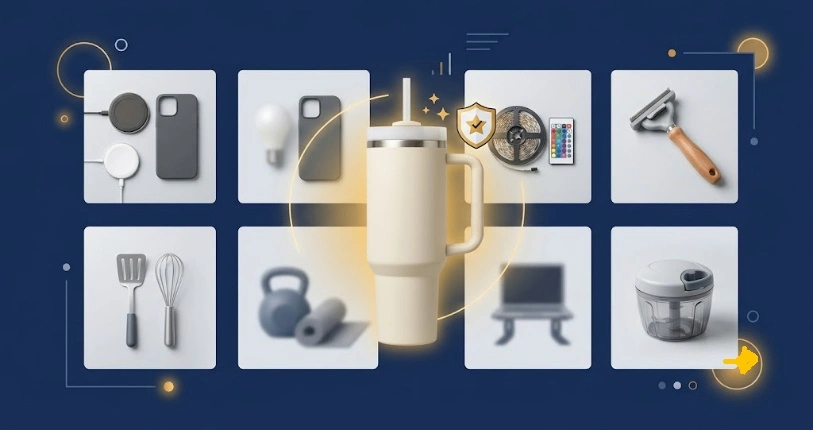
A genuinely winning product in 2026 usually has four things going for it: a real margin (most experienced sellers won’t touch anything under roughly 30% after landed cost and ad spend), a specific problem it solves or desire it satisfies rather than just looking cool in a video, demand that’s been climbing steadily for a few months rather than spiking overnight, and enough visual or emotional hook that it works as a 15-second video, since that’s still how most dropshipping traffic gets bought today.
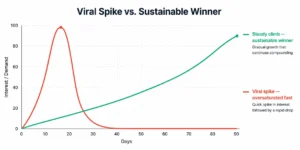
That last point about steady climb versus spike matters more than most people realize: a product with a single viral moment usually means a wave of competitors already saw the same clip you did. A product on a slow, consistent upward curve over 60–90 days is a much quieter, much less crowded opportunity.
Start free — the research methods that cost nothing
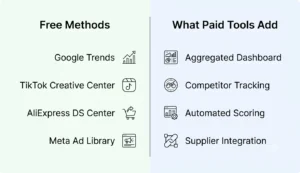
Every paid tool on the market is really just automating the four methods below. Understanding them first means you’ll actually know what you’re paying for later, if you decide to.
Google Trends: catching demand before it peaks
Search a product category and set the range to 12 months. You’re looking for a steady upward line, not a spike-and-crash. Compare two or three related terms side by side — Google Trends does this natively — to see which specific version of a product category is actually gaining ground versus which one already peaked and is fading. This is the single most-recommended free method across virtually every product-research guide, for good reason: it’s the cleanest signal of genuine, sustained interest you’ll find without paying for anything.
TikTok and Instagram: where products actually go viral first
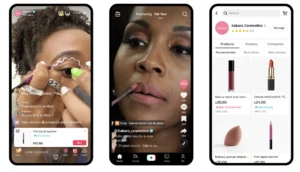
Search phrases like “TikTok made me buy it,” “Amazon finds,” or the product category itself directly in-app, and check TikTok’s Creative Center for what’s currently trending in ads, not just organic content. TikTok Shop specifically has been picking up real momentum this year — if you haven’t looked at what’s moving through TikTok Shop’s own trending categories, that’s worth a session on its own before you touch any paid tool.
AliExpress DS Center and marketplace best-sellers
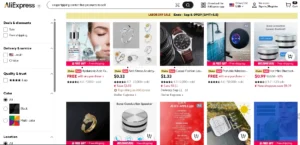
AliExpress’s own dropshipping center surfaces products by order volume and growth rate, and it’s free if you already have a supplier account there. Worth specifically noting: “AliExpress winning products” searches have actually been trending upward this year even as broader dropshipping search interest has cooled — a small but real signal that sourcing-side research is where attention is shifting. Amazon Best Sellers and eBay’s trending categories work the same way — they’re processing enormous transaction volume, and their public rankings are demand data you don’t have to pay for.
Facebook/Meta Ad Library: spying on what’s already working
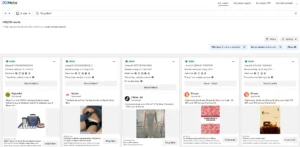
Search any product name or niche term in Meta’s Ad Library, and you can see every active ad running for it — including how long an advertiser has kept it running. An ad that’s been live for months, not days, is a strong signal the product is actually converting and profitable, not just being tested and abandoned.
When paid tools are worth it (and which to consider)
Paid tools earn their price once you’re past the “just exploring” phase and need to move faster than manual research allows. Sell The Trend, Ecomhunt, Niche Scraper, and Dropified all do roughly the same core job: they aggregate the free signals above (search trends, ad activity, marketplace sales data) into one dashboard instead of five open tabs, and most add competitor-store tracking on top.
Worth being upfront about: most articles recommending these tools are written by the company selling one of them. That doesn’t make the tools bad — they’re genuinely useful once you’re testing multiple products a week — but it’s worth choosing based on a free trial and your actual workflow rather than whichever blog post you happened to land on.
The 5-point checklist before you commit
Before you invest in inventory, ad creative, or a store listing, score the product against these:
- Margin — can you land it, mark it up, and still clear roughly 30%+ after ad spend?
- Demand trend — is search and social interest climbing over 60–90 days, or is it a spike you’re already late to?
- Competition depth — a handful of active competitors is a good sign (proven demand); dozens saturating every ad platform is a warning sign you’re late.
- Problem or desire fit — can you explain in one sentence why someone needs this, beyond “it looks cool”?
- Return risk — sizing-dependent apparel, fragile items, and anything with a steep learning curve to use tend to generate returns that quietly eat your margin.
Keep a simple spreadsheet as you go — product, source, estimated landed cost, projected price, score, and testing status. After a few months of doing this consistently, you’ll start recognizing patterns faster than any tool surfaces them for you.
Red flags: products that look winning but aren’t
A single viral clip with no sustained trend line behind it — by the time you’ve noticed it, so has everyone else who saw the same video.
Ads that appear and disappear within days — if an advertiser pulled it fast, it probably wasn’t converting.
Anything already saturating your own social feeds — if you’re seeing the same product ad from five different stores, the margin has likely already been competed away.
Products that only work because of the discount, not the product — if it only sells at 70% off, you don’t have a winning product, you have a loss leader.
Where to source once you’ve found a winner
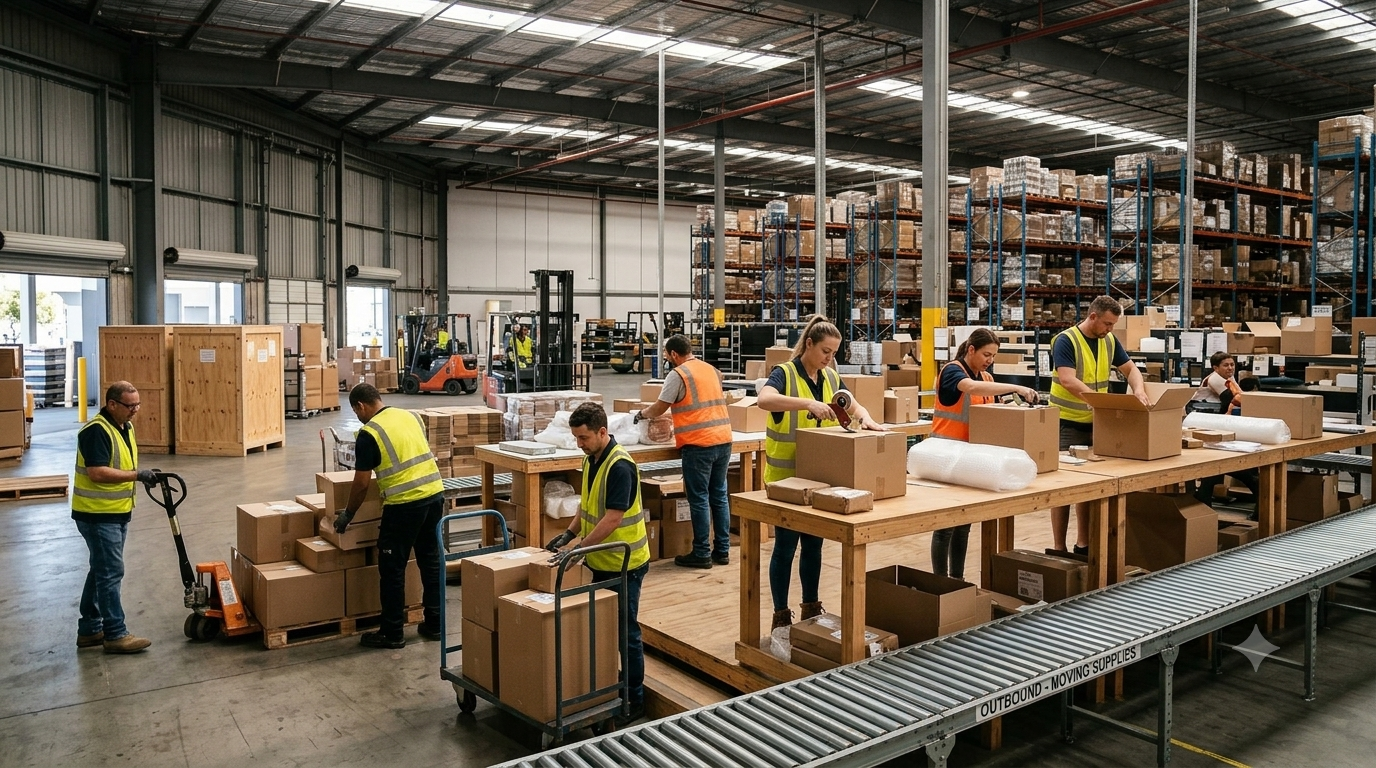
Finding the product is half the job — getting it fulfilled reliably is the other half. If you’re weighing US-focused domestic suppliers against broader marketplace sourcing (AliExpress-style platforms, CJ Dropshipping, Zendrop, or DSers), the right call depends on how much you’re prioritizing shipping speed versus catalog size and cost.
This is our complete guide on “How to Find Winning Dropshipping Products”.
See our full breakdown of the leading dropshipping platforms for a side-by-side comparison link below”
Best dropshipping platform 2026
FAQ
What’s the fastest free way to find a winning dropshipping product?
Combine Google Trends (for sustained demand) with Meta Ad Library (for proof someone’s already profitably advertising it) — together they cover both the “is anyone searching for this” and “is anyone making money from it” questions without spending anything.
How long should a product trend before I trust it?
Most experienced sellers look for at least 60–90 days of steady upward movement rather than a single spike, which usually signals the trend is sustainable rather than about to crash.
Are paid product-research tools worth it for beginners?
Not immediately. Learn the free methods first so you understand what a tool is actually automating — then decide if the time savings justifies the subscription once you’re testing multiple products a week.
What profit margin should I look for?
Most sellers target at least 30% after landed cost and advertising spend, though this varies by category and how much brand differentiation you can add.
Is TikTok Shop worth watching for product research?
Yes — it’s been one of the fastest-growing discovery channels this year, and its trending categories often surface products before they show up on general “best product finder” lists.
Bottom line
The tools in this space change every few months, and most of the content about them is written by someone with a subscription to sell. What doesn’t change: demand that builds steadily beats demand that spikes, a real margin beats a cool video, and a spreadsheet you actually maintain beats any single tool’s built-in score. Start with the free methods, understand the signal before you pay for the dashboard, and don’t skip the boring step of writing your reasoning down before you commit inventory to anything.